骨骼内感知“第六感”科普
从直观场景出发,认识骨骼不仅是运动与支撑器官,也参与机体内部信号的感知与调节。
约 1 分 29 秒关节和骨骼退行性疾病是导致疼痛、残疾、活动能力下降以及老年人生活质量降低的重要原因。在中国,骨关节炎和退行性脊柱疾病影响着数量庞大且持续增长的人群,而腰痛仍是全球导致残疾的主要原因之一。
退行性肌肉骨骼疾病所造成的社会经济负担十分沉重。慢性背痛和脊柱退行性病变不仅带来巨额医疗支出,也显著增加残疾负担并造成劳动生产力损失。尽管目前在症状控制方面已取得一定进展,但能够改变疾病进程的有效治疗手段仍十分有限。对于存在严重结构性病变的患者而言,最终可能需要接受包括关节置换和脊柱融合术在内的外科治疗。
迄今为止,针对多种退行性肌肉骨骼疾病开发有效的疾病修饰治疗仍面临较大挑战。随着全球人口持续老龄化,慢性疼痛、活动能力受损、疲劳以及其他相关的年龄相关性疾病,正日益成为重要的全球健康挑战。
深圳理工大学举办本次国际研讨会,旨在推动基础科学、临床医学、生物技术、产业界、投资界及全球健康领域之间的跨学科合作。会议将重点探讨骨骼内感知的新兴机制,以及其在年龄相关肌肉骨骼疾病、神经系统疾病和慢性疼痛疾病预防与治疗中的潜在意义。
慢性疼痛是年龄相关性关节和脊柱疾病的主要临床表现之一,也是患者就医最常见的原因之一。持续性疼痛,包括静息状态下的疼痛,可显著降低患者生活质量,限制身体活动,并导致功能逐渐衰退。随着疼痛程度加重,患者发生身体活动受限和残疾的风险也会相应增加。
慢性腰痛可对生活质量、活动能力和日常身体活动造成严重影响,并与功能衰退风险增加密切相关。近年来的研究发现,骨骼重塑、感觉神经支配与神经系统功能之间可能存在重要联系。针对骨关节炎和腰痛的研究表明,破骨细胞来源的 Netrin-1 信号可能参与病理性感觉神经支配;与此同时,其他研究还发现,在脑小血管病相关研究中,破骨细胞来源的信号因子(包括 PDGF-BB)会发生与年龄相关的变化。
越来越多的证据表明,骨骼衰老、慢性肌肉骨骼疼痛、神经系统功能以及年龄相关神经退行性疾病之间存在重要的相互作用。这些新兴联系进一步凸显了开展跨学科研究的必要性,需要整合肌肉骨骼生物学、神经科学、疼痛医学和衰老研究等多个领域。
曹旭教授及其团队近期的研究发现了“骨骼内感知”这一新机制,即骨骼系统与中枢神经系统之间存在双向信息交流,这种交流可能参与调控骨、软骨和关节稳态以及全身生理功能。 “内感知”是指神经系统对来自机体内部信号的感知、传递与整合过程, 也被称为“第六感”。广义而言,“第六感”指中枢神经系统机体内器官调节。对而传统的五种感知-视觉、听觉、嗅觉、味觉和触觉,则用于监测并与环境相互作用为外感知。
Belinda Beck 教授开发了有效治疗骨质疏松症的负重运动干预方法,并已被应用于骨质疏松症相关运动指导。她的研究成果进一步提示,有必要探索将骨骼内感知机制与负重运动相结合,从而应用于年龄相关性骨骼疾病防治的潜在价值。本次研讨会将邀请来自关节疾病、疼痛研究以及脑—骨交流等领域的世界领先学者作专题报告,并共同探讨脑—骨骼内感知这一新兴科学领域及其临床转化应用。
新近研究表明,分布于骨骼系统中的感觉神经通路参与骨骼与大脑之间的双向信息交流,并可能影响骨重塑、成骨、软骨稳态和组织再生等生理过程。因此,骨骼内感知正逐渐发展成为一个融合骨生物学、神经科学、生物力学、疼痛研究和再生医学等多个领域的交叉研究方向。
在这一新兴理论框架下,骨骼系统可通过分子和神经信号通路感知机械负荷、代谢状态、损伤以及组织完整性的变化。这些信号可进一步传递至中枢神经系统,而中枢神经系统则可通过下行神经及神经内分泌通路,对骨骼及全身生理反应进行调节。随着年龄增长,这些信号网络的异常或失调可能参与骨关节炎、脊柱退变、慢性疼痛及活动能力下降等退行性疾病的发生与发展。
近期实验研究还提示,骨骼感觉信号、下丘脑调控、重力感知以及脑功能之间可能存在潜在联系。航天飞行过程中机械负荷改变及微重力环境会引起骨骼代谢和其他生理系统发生显著变化,因此可为研究骨骼与大脑之间的信息交流提供独特的研究模型。深入理解这些机制,有望为健康衰老研究以及年龄相关肌肉骨骼和神经系统疾病干预策略的开发开辟新的方向。
Degenerative disorders of the joints and skeleton are major contributors to pain, disability, loss of mobility, and declining quality of life with advancing age. In China, osteoarthritis and degenerative spinal disorders affect large and growing populations, while low back pain remains one of the leading causes of disability worldwide.
The socioeconomic burden associated with degenerative musculoskeletal disorders is substantial. Chronic back pain and spinal degeneration generate major healthcare expenditures and contribute significantly to disability and lost productivity. Despite advances in symptom management, effective disease-modifying therapies remain limited. For patients with advanced structural disease, surgical interventions—including joint replacement and spinal fusion—may ultimately become necessary.
To date, the development of effective disease-modifying therapies for many degenerative musculoskeletal disorders has remained challenging. As populations around the world continue to age, chronic pain, impaired mobility, fatigue, and associated age-related conditions represent an increasingly important global health challenge.
Shenzhen University of Advanced Technology is convening this international symposium to foster collaboration across basic science, clinical medicine, biotechnology, industry, investment, and global health. The symposium will explore emerging mechanisms of skeletal interoception and their potential implications for the prevention and treatment of age-related musculoskeletal, neurological, and chronic pain disorders.
Chronic pain is a major clinical manifestation of age-related joint and spinal disorders and one of the most common reasons patients seek medical care. Persistent pain, including pain at rest, can substantially impair quality of life, limit physical activity, and contribute to progressive functional decline. Increasing pain severity has also been associated with greater risk of physical limitation and disability.
Chronic low back pain can profoundly affect quality of life, mobility, and daily physical activity and is associated with an increased risk of functional decline. Emerging research has identified potential links between skeletal remodeling, sensory innervation, and neurological function. Studies of osteoarthritis and low back pain have implicated osteoclast-derived netrin-1 signaling in pathological sensory nerve innervation, while other investigations have identified age-related changes in osteoclast-derived signaling factors, including PDGF-BB, in the context of cerebral small-vessel disease.
Growing evidence suggests important interactions among skeletal aging, chronic musculoskeletal pain, neurological function, and age-related neurodegenerative disorders. These emerging connections highlight the need for interdisciplinary research spanning musculoskeletal biology, neuroscience, pain medicine, and aging.
Recent research from Dr. Xu Cao and colleagues discovered skeletal interoception—bidirectional communication between the skeletal system and the central nervous system that may contribute to the regulation of bone, cartilage, joint homeostasis, and systemic physiology. Interoception broadly refers to the nervous system’s sensing and integration of signals arising from within the body. Interoception is also described as an internal or “sixth” sense, it complements exteroception—the sensory processes through which the body perceives and interacts with the external environment. Dr. Belinda Beck has developed weight-bearing exercise effectively to treat osteoporosis, which has been used as exercise guidelines for osteoporosis. Her achievement suggests the importance of investigating the potential application of skeletal interoception with the weight-bearing exercise for aging related skeletal diseases. In this symposium, world leading investigators from the areas of joint disease, pain and brain-bone communication will deliver lectures and discuss this emerging science of brain-skeleton interoception and its clinic application.
Emerging studies suggest that sensory neural pathways within the skeletal system participate in bidirectional communication with the brain and may influence processes such as bone remodeling, osteogenesis, cartilage homeostasis, and tissue regeneration. Skeletal interoception therefore represents an interdisciplinary field at the intersection of bone biology, neuroscience, biomechanics, pain research, and regenerative medicine.
Within this emerging framework, the skeletal system senses changes in mechanical loading, metabolic state, injury, and tissue integrity through molecular and neural signaling pathways. These signals may be transmitted to the central nervous system, which in turn can modulate skeletal and systemic physiological responses through descending neural and neuroendocrine pathways. Age-related disruption of these signaling networks may contribute to degenerative conditions including osteoarthritis, spinal degeneration, chronic pain, and impaired mobility.
Recent experimental research also suggests potential links between skeletal sensory signaling, hypothalamic regulation, gravity sensing, and brain function. Altered mechanical loading and microgravity during spaceflight are known to produce profound changes in skeletal metabolism and other physiological systems, providing a unique model for investigating communication between the skeleton and the brain. Understanding these mechanisms may open new avenues for studying healthy aging and developing interventions for age-related musculoskeletal and neurological disorders.
什么是骨骼内感知?骨骼如何与大脑进行双向信息交流?通过以下两段短视频,快速了解“骨骼内感知”的基本概念与相关神经调控机制。
从直观场景出发,认识骨骼不仅是运动与支撑器官,也参与机体内部信号的感知与调节。
约 1 分 29 秒通过示意图了解骨骼感觉信号的上行传入、中枢整合以及下行反馈,帮助理解骨骼与中枢神经系统之间的双向交流。
约 1 分 28 秒会议选址深圳,依托珠三角生物医药产业集聚优势,搭建链接中美、辐射全球的产学研投一体化交流平台
大会既有科学家与临床专家对话,也设置投融资与BD、闭门讨论会,促进“科学-资本-产业”三者之间的理解与合作
Skeletal Interoception, the “Sixth Sense,” in Osteoporosis, Joint Diseases, and Pain
主持:刘珅|焦凯

题目:骨骼内感知“第六感”及关节疾病

题目:运动防治骨质疏松症:已有定论

题目:神经支配与骨骼干细胞生态位
Advances in Research and Treatment of Spinal and Joint Diseases
主持:高博|孔超

题目:直立行走的代价--多模态跨物种解析下腰痛发生机制与精准靶向治疗

题目:脊柱脊髓损伤微环境多维调控与工程化神经修复的转化研究

题目:从足底感知到人机协同的智能可穿戴技术
Development and Regeneration of Articular Cartilage
主持:谢辉|郭乔月

题目:骨折后骨痂形成及改建过程中的细胞来源及转化研究进展

欧洲科学院院士
题目:扰乱骨骼谱系对细胞间交互、生长及退变的影响

题目:SHP2 信号通路在软骨发育与稳态维持中的作用
Interoceptive Sensing of Peripheral Organs by the Central Nervous System
主持:薛鹏|郑黎薇

题目:通过感觉交感反射利用电针疗法调节疼痛

题目:开发靶向人源MrgX1受体的首创配体药物用于非阿片类镇痛治疗

题目:内感受与慢性疼痛的身心干预:从生物学机制到临床实践
Interventions for Age-Related Brain Disorders and Chronic Disease Prevention
主持:吕潇|赵晓丽|胡博

欧洲科学院院士|美国发明家科学院院士
题目:单一 FSH 阻断疗法能否同时治疗骨质疏松、肥胖和阿尔茨海默病?

题目:C/EBPβ/AEP 信号通路:衰老的普遍驱动机制?

题目:精准未病检测及干预

英国皇家科学院院士|欧洲科学院院士
题目:多尺度生理机制如何化解药物发现中以基因为主导的困境
Osteoarthritis pathogenesis and treatment
主持:管敏|凌泽民

欧洲科学院院士
题目:骨关节炎:风险因素与治疗策略

题目:中枢神经促进关节软骨再生的临床转化研究

题目:脑区特征、精神疾病与骨关节炎之间的关联

世界发展基金会执行委员会共同主席(该基金会具联合国ECOSOC特别咨商地位)

国际华文教育与文化传播媒体负责人|国家文化贸易学术研究平台专家|北京市侨联海外委员

美国马里兰州州务卿

全球健康演说25年,共7000余场|中国粉红丝带基金会第四届理事长

中华文化教育基金会主席,领峰新兴产业研究院院长


中美商业发展执行顾问

主持公司及全球整体发展战略工作

纽约健康职业学院东方医学研究生院院长|世界中医药学会联合会脊柱专业委员会副会长
深圳理工大学天璇楼201报告厅
欢迎参会者、宣布会议开幕;欢迎致辞:深圳理工大学领导、特邀嘉宾
Skeletal Interoception, the “Sixth Sense,” in Osteoporosis, Joint Diseases, and Pain
主持:刘珅|焦凯
Advances in Research and Treatment of Spinal and Joint Diseases
主持:高博|孔超
Development and Regeneration of Articular Cartilage
主持:谢辉|郭乔月
杨惠博士(Bone Research 编辑)
Interoceptive Sensing of Peripheral Organs by the Central Nervous System
主持:薛鹏|郑黎薇
深圳理工大学天璇楼201报告厅
Interventions for Age-Related Brain Disorders and Chronic Disease Prevention
主持:吕潇|赵晓丽|胡博
Osteoarthritis pathogenesis and treatment
主持:管敏|凌泽民
总结嘉宾:曹旭教授
致辞嘉宾:深圳理工大学领导
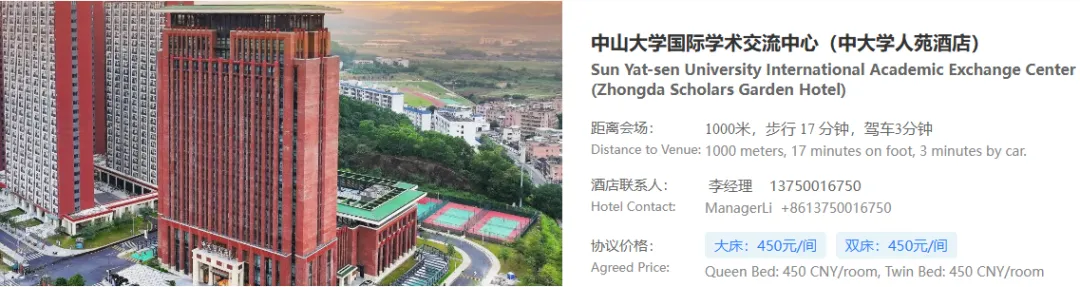
约1000米 · 步行17分钟 · 驾车3分钟

约800米 · 步行13分钟 · 驾车5分钟
建议抵达深圳后,优先选择地铁前往深圳理工大学天璇楼201报告厅。
参会者(特邀嘉宾除外)请自行安排交通行程。